
Perlis
Kedah
Terengganu
Kelantan
Perak
Selangor
Negeri
Sembilan
Sembilan
Pulau
Pinang
Pinang
Melaka
Johor
Sabah
Sarawak
Pahang
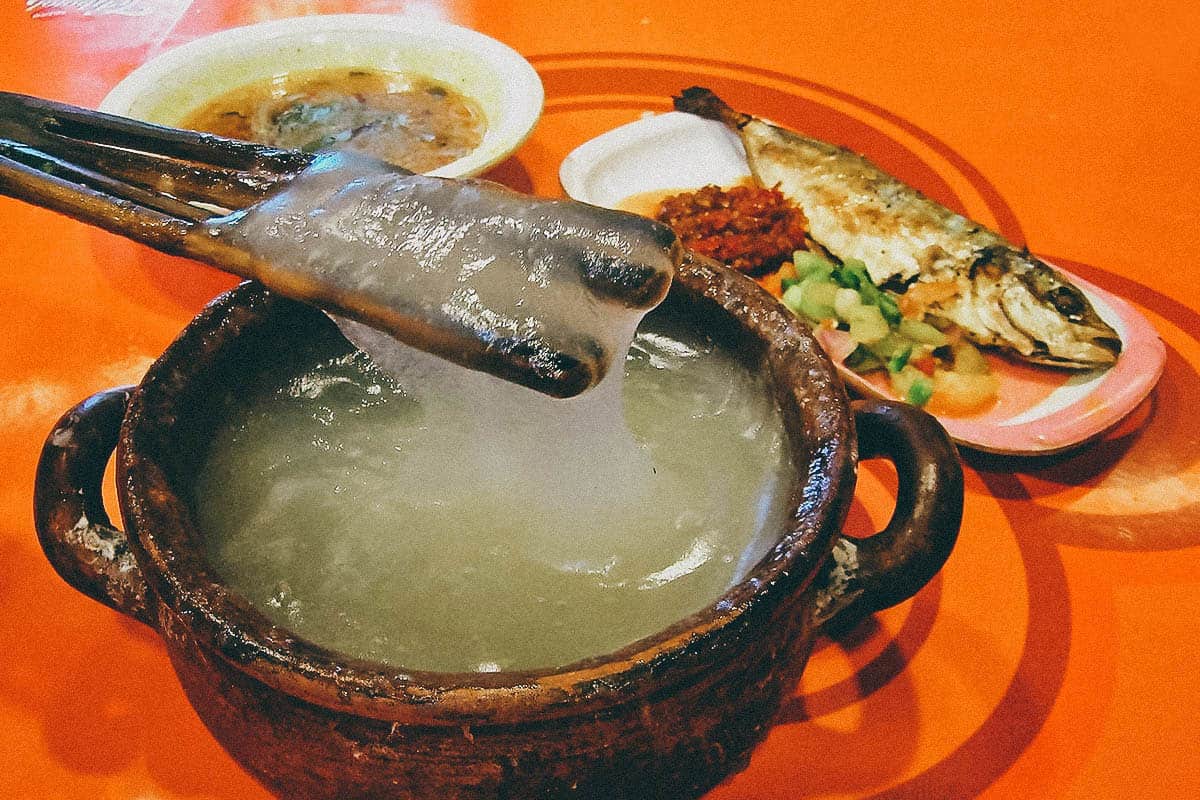
Ambuyat is a starchy, glue-like dish made from sago flour, traditionally eaten with bamboo sticks called chandas. Though originally from Brunei, it’s cherished in Sabah’s coastal communities. Served with a variety of flavorful side dishes like sour mango sambal, fish curry, or pickled vegetables, Ambuyat is all about communal dining and dipping. Its neutral taste makes it the perfect canvas for bold, tangy accompaniments, offering a unique and interactive eating experience.

Hinava Ginapan is a Kadazan-Dusun delicacy made from raw fish—typically mackerel—marinated in lime juice, grated ginger, chili, and sliced shallots. This citrus-cured dish is similar to ceviche, but with a distinctly Sabahan twist. The freshness of the fish combined with the zingy marinade creates a vibrant, refreshing flavor. Often served during festivals and special occasions, Hinava Ginapan reflects the coastal heritage and culinary finesse of Sabah’s indigenous communities.
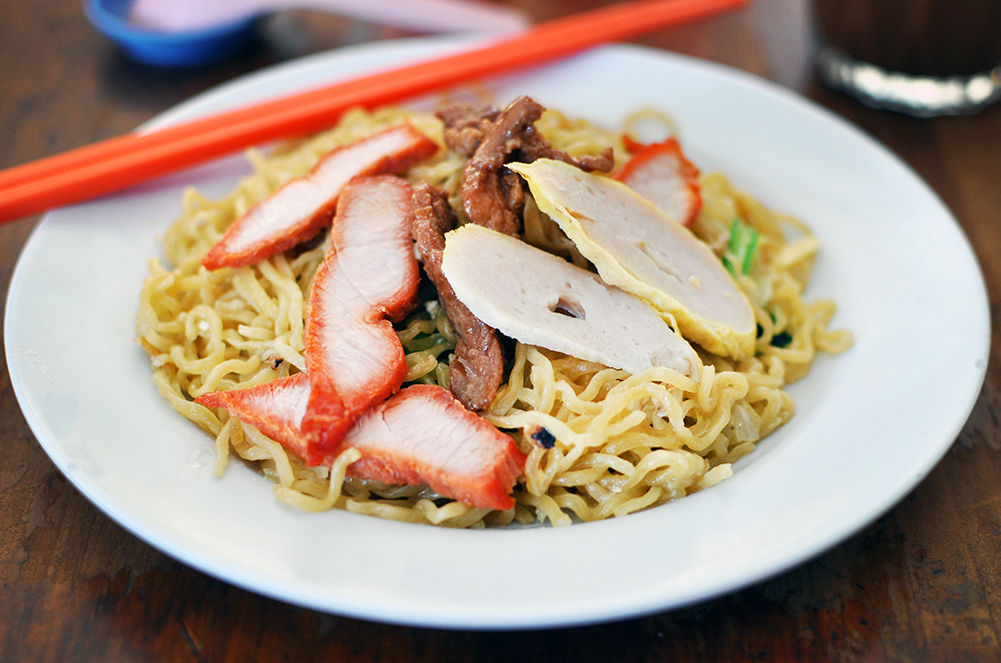
Tuaran Mee is a signature noodle dish from Tuaran town, known for its springy egg noodles stir-fried to golden perfection. Cooked with char siu, vegetables, and sometimes seafood, it’s often topped with a fried egg or egg roll. The noodles are pan-fried until slightly crispy, giving them a unique texture. This dish is a local favorite for breakfast or lunch, showcasing Sabah’s Chinese culinary influence with a distinctly local flair.
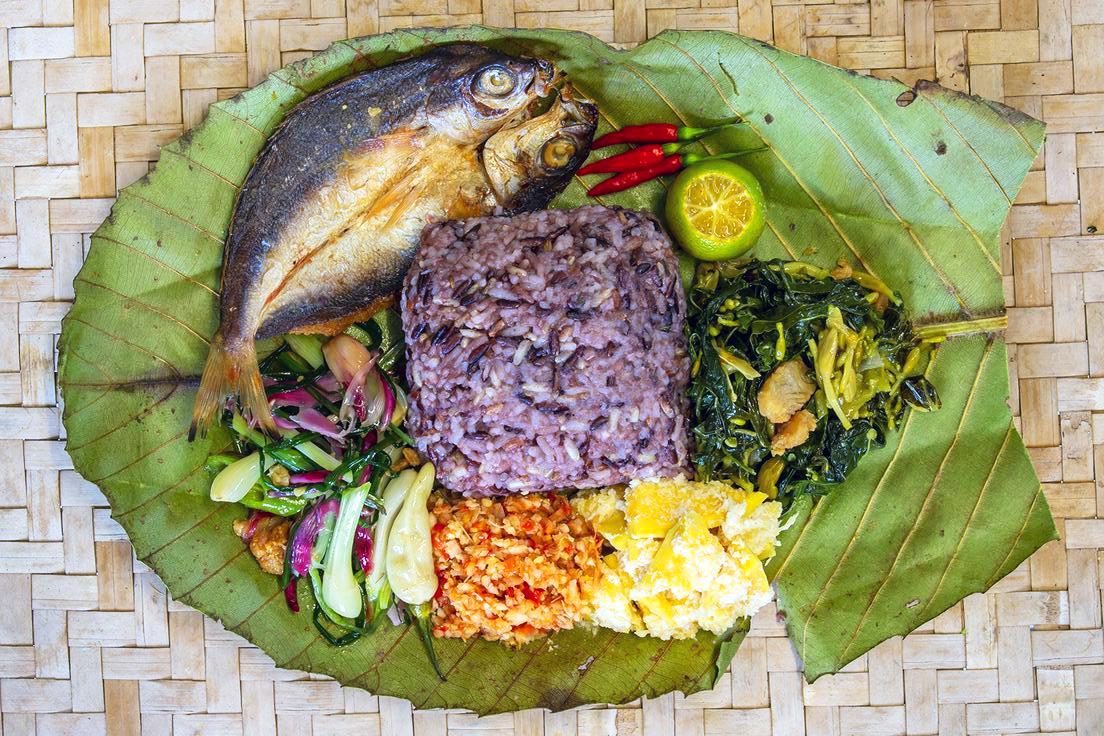
Linopot is a traditional rice dish wrapped in banana or tarap leaves, commonly prepared by the Dusun people. The rice is often mixed with yam or sweet potato, and served alongside local vegetables, pickles, or grilled fish. The leaf wrapping not only preserves freshness but also imparts a subtle aroma. Linopot is more than a meal—it’s a symbol of sustainability and cultural pride, often enjoyed during gatherings and traditional ceremonies in rural Sabah.
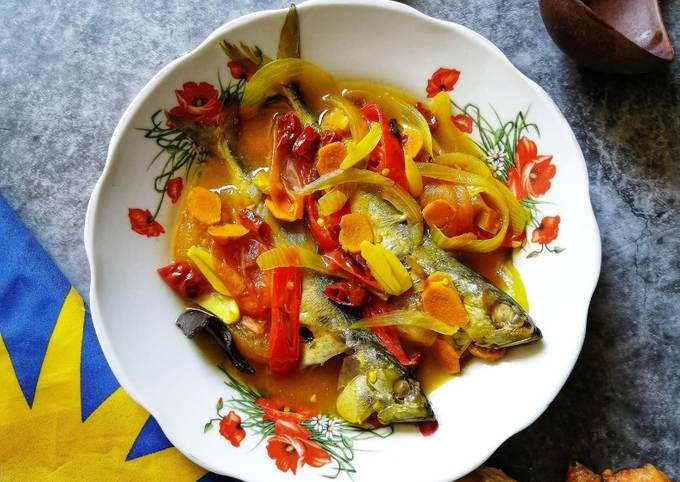
Pinasakan is a savory braised fish dish from the Kadazan-Dusun community, typically made with freshwater fish simmered in turmeric, takob-akob (wild fruit), and lemongrass. The slow cooking process infuses the fish with deep, earthy flavors and a slightly sour tang. Often served with linopot or plain rice, Pinasakan is a staple during family meals and festive occasions. Its bold taste and rustic preparation reflect the heart of Sabahan home cooking.
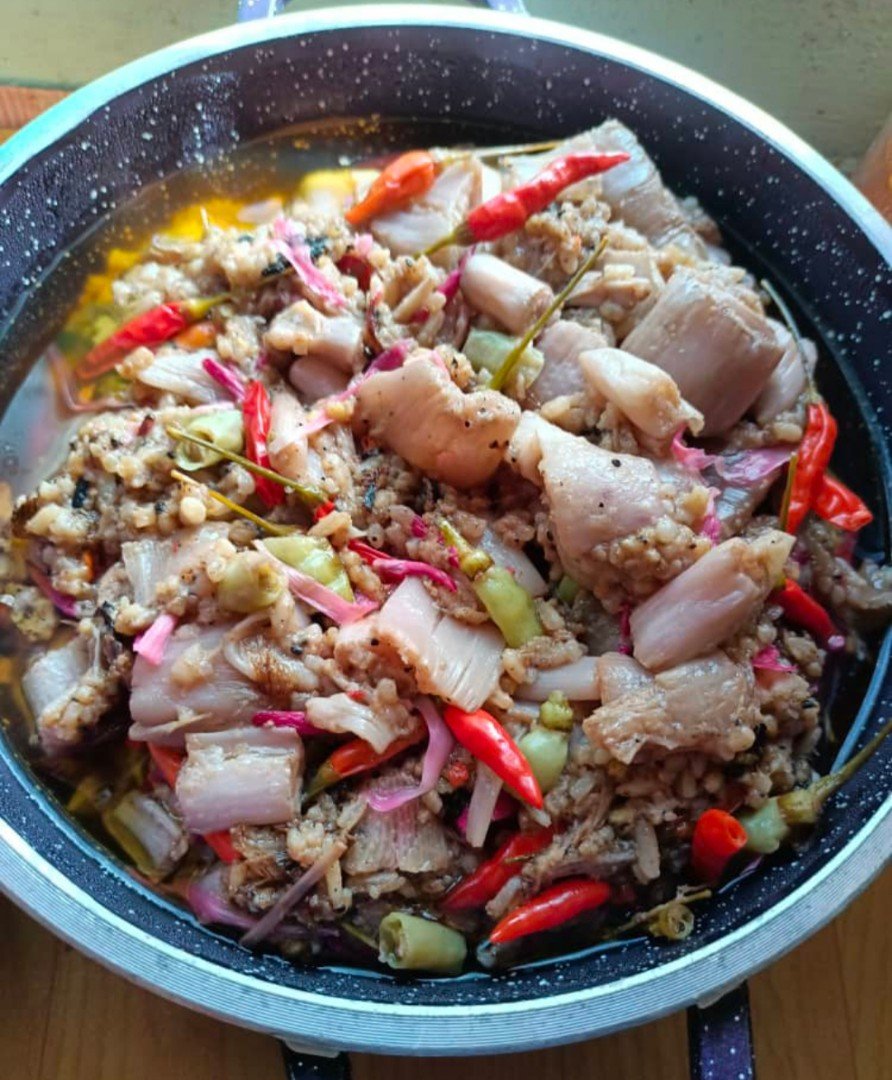
Bosou, also known as Noonsom, is a traditional fermented dish made from raw freshwater fish, rice, salt, and pangi (a local preservative). After fermenting for several days, it develops a pungent, sour flavor that’s beloved by the Kadazan-Dusun people. Sometimes enhanced with banana stems or jackfruit seeds, Bosou is eaten as a side dish with rice. It’s a testament to indigenous preservation techniques and the bold, adventurous palate of Sabah’s highland communities.
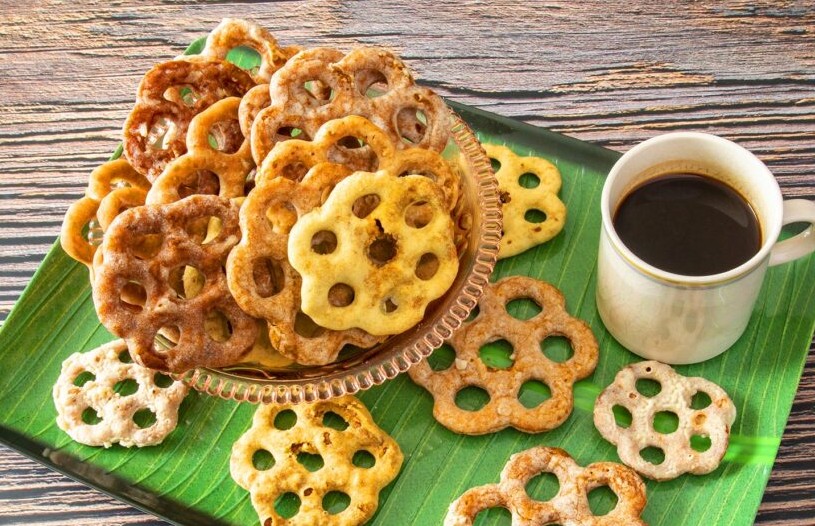
Kuih Cincin is a ring-shaped traditional snack made from rice flour and palm sugar, deep-fried until golden brown. Its name, meaning “ring cake,” reflects its iconic shape. Crispy on the outside and slightly chewy inside, it offers a rich caramel flavor with hints of coconut. Popular during festivals and family gatherings, Kuih Cincin is a nostalgic treat that connects generations through its simple ingredients and timeless taste.

Latok is a type of seaweed, also known as sea grapes, commonly eaten fresh in Sabah’s coastal areas. Served as a salad with lime juice, chili, and sliced shallots, Latok bursts with briny freshness and a satisfying crunch. It’s often paired with grilled fish or rice, offering a nutritious and refreshing side dish. Rich in minerals and loved for its unique texture, Latok is a staple in Bajau and Suluk cuisine.
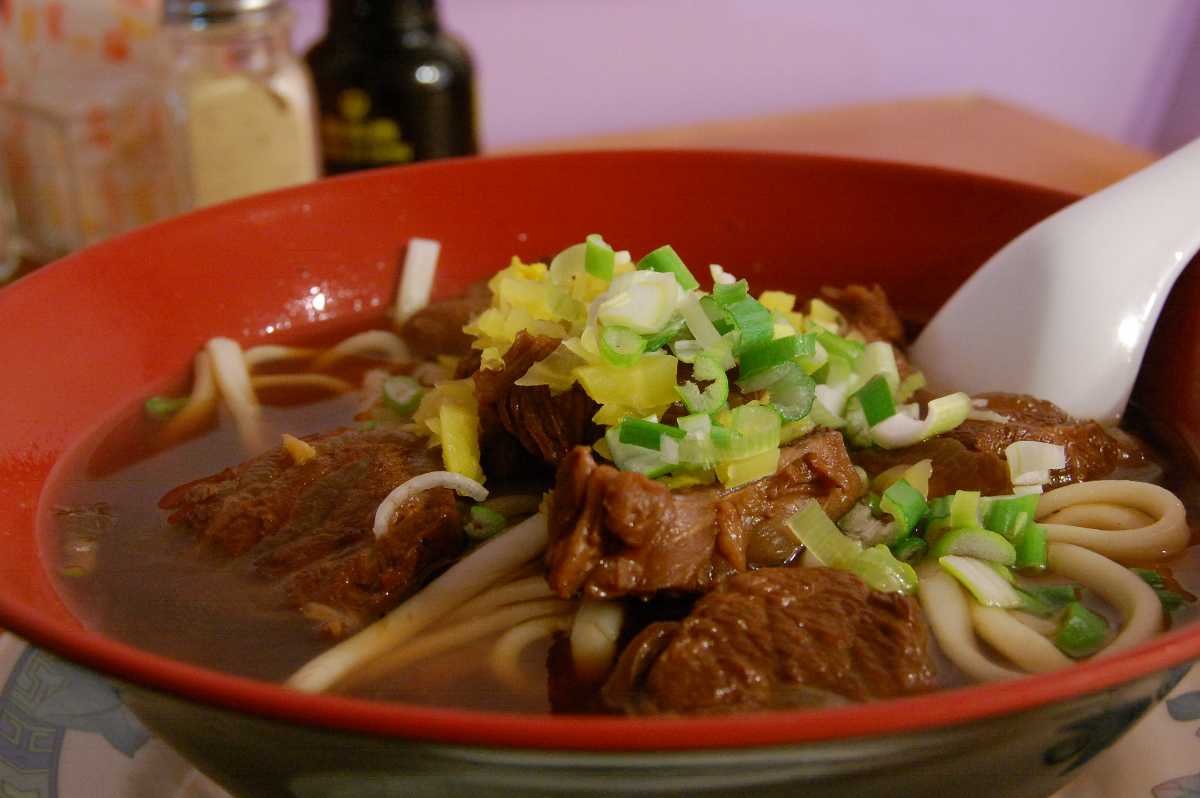
Ngui Chap is a hearty beef noodle soup popular in Sabah’s Chinese community. It features a rich, aromatic broth made from slow-cooked beef bones, served with beef slices, tripe, tendon, and sometimes beef balls. Paired with flat rice noodles or yellow noodles, it’s garnished with fried garlic and spring onions. Ngui Chap is a comforting, protein-packed dish often enjoyed for breakfast or lunch, showcasing Sabah’s multicultural culinary landscape.