Culinary Journey:
Discovering Traditional Dishes in Malaysia
Delve into the unique flavors from every state in Malaysia.
Let’s begin your culinary journey today!














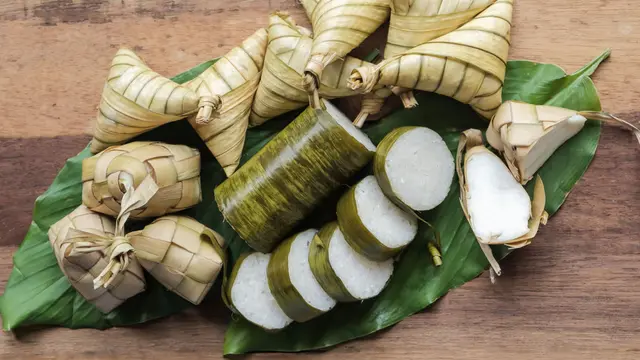
Lemang is a traditional Malay delicacy made from glutinous rice, coconut milk, and salt, cooked in hollow bamboo lined with banana leaves.
This slow-roasted method over open fire imparts a smoky aroma and rich flavor. Commonly served during Hari Raya, lemang symbolizes festivity and togetherness.
It's often paired with rendang or serunding, making it a staple on celebratory tables. The bamboo cooking technique reflects indigenous culinary heritage and
communal preparation traditions in rural Malaysian villages.
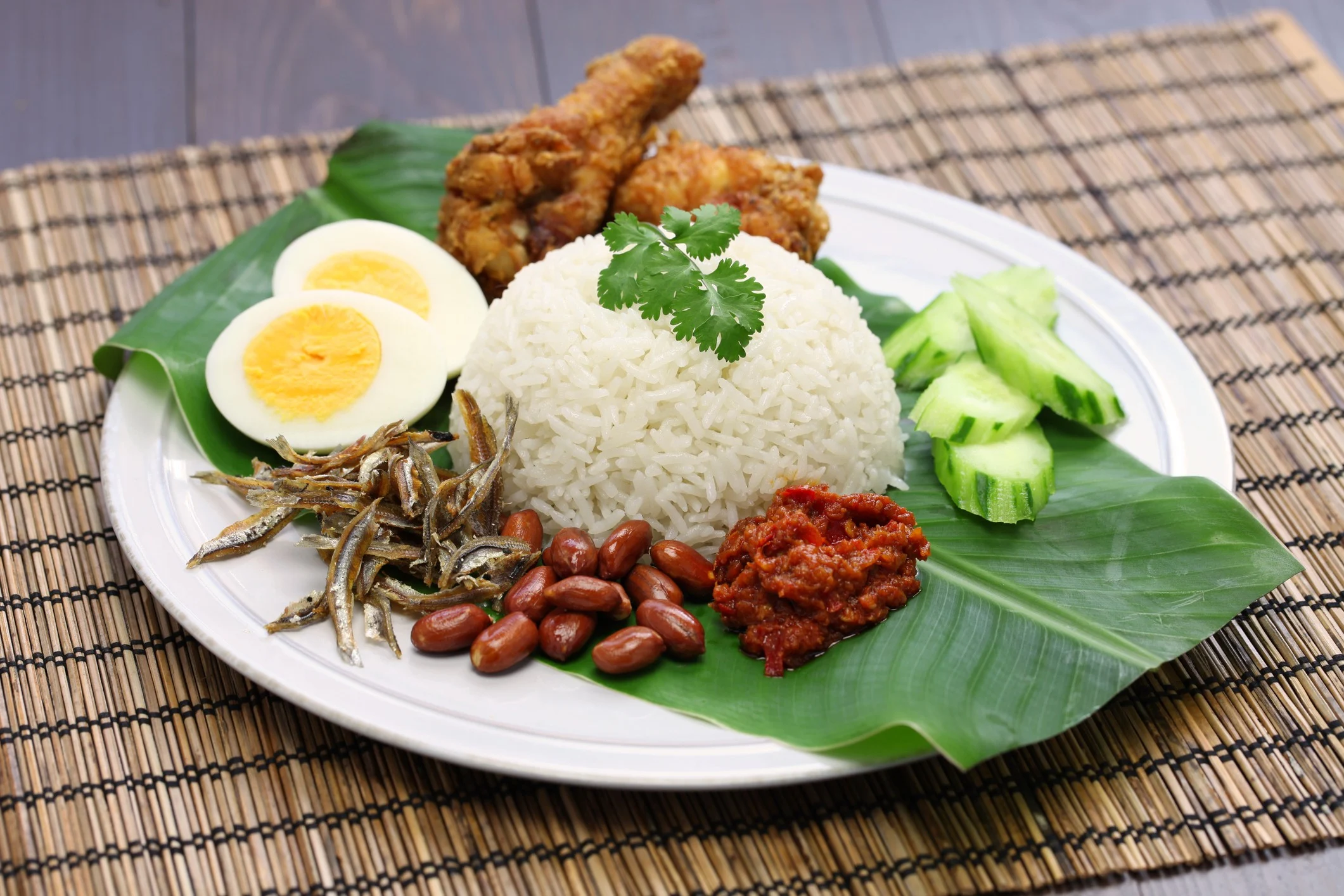
Nasi lemak is Malaysia’s national dish, featuring fragrant rice cooked in coconut milk and pandan leaves. It’s traditionally served with spicy sambal,
crispy anchovies, roasted peanuts, hard-boiled egg, and cucumber slices. Variants may include fried chicken, squid, or rendang. Originally a farmer’s breakfast, it’s now enjoyed anytime.
The dish balances creamy, spicy, salty, and crunchy textures, reflecting Malaysia’s multicultural palate. Wrapped in banana leaves, nasi lemak is both a comfort food and a cultural icon.
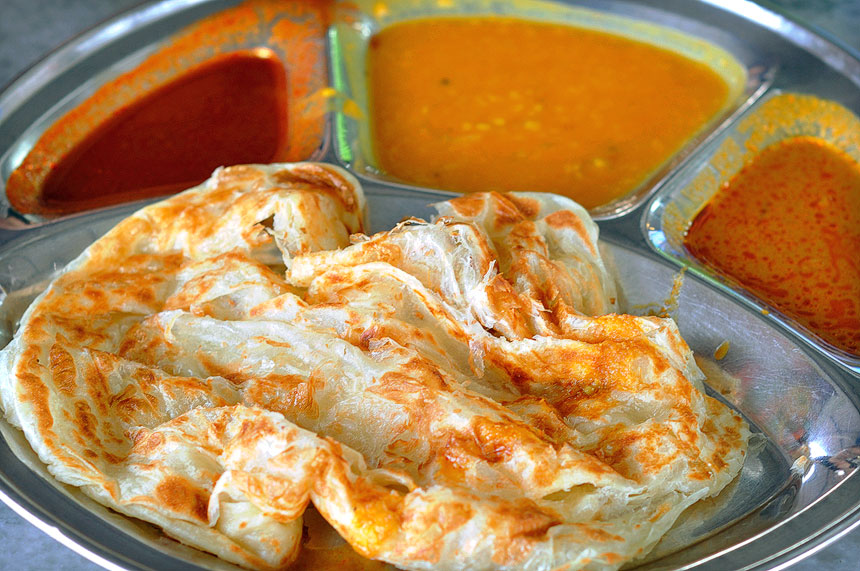
Roti canai is a flaky, pan-fried flatbread of Indian-Muslim origin, now a beloved Malaysian staple. Made from flour, water, ghee, and eggs, the dough is stretched,
folded, and griddled to achieve its signature crispy layers. Often eaten with dhal, curry, or sugar, it’s a popular breakfast or supper dish. Its versatility has inspired many variations,
including roti telur (with egg) and roti boom (sweetened). Roti canai showcases Malaysia’s culinary fusion and street food culture.
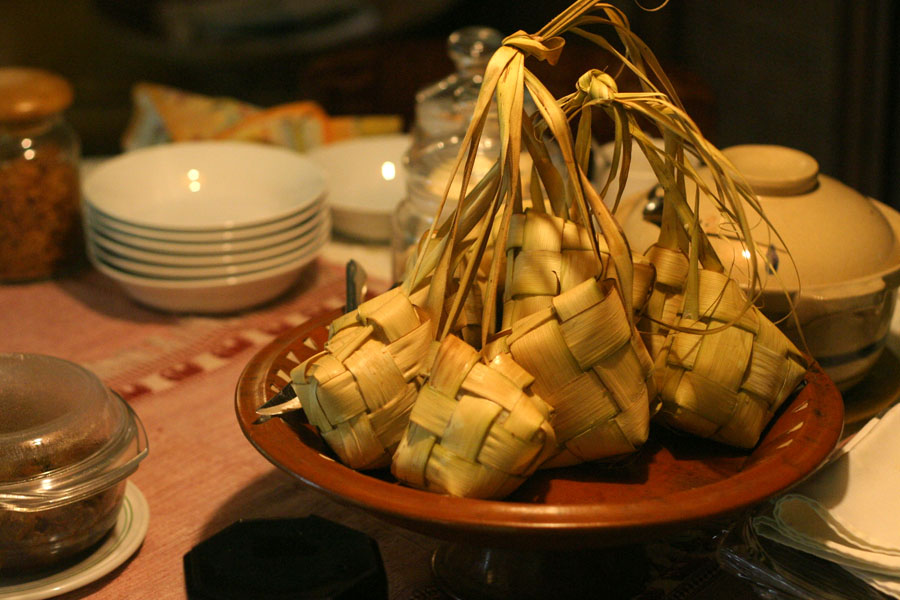
Ketupat is a diamond-shaped rice cake wrapped in woven palm leaves, boiled until the rice expands and compresses. It’s a festive staple during Hari Raya,
symbolizing forgiveness and unity. The intricate weaving of the casing reflects traditional craftsmanship and communal preparation. Ketupat is typically served with rendang, satay, or peanut sauce.
Its firm texture makes it ideal for soaking up rich gravies. More than food, ketupat embodies cultural heritage, hospitality, and the spirit of celebration.

Kuih bahulu are petite, golden sponge cakes with a crisp exterior and soft, airy interior. Made from eggs, sugar, and flour, they’re baked in flower-shaped molds until lightly browned.
Popular during festive seasons like Hari Raya and Chinese New Year, they’re often enjoyed with tea. Their delicate sweetness and nostalgic charm make them a favorite across generations. Kuih bahulu’s
simplicity belies the skill needed to achieve the perfect texture, making them a treasured part of Malaysian kuih tradition.
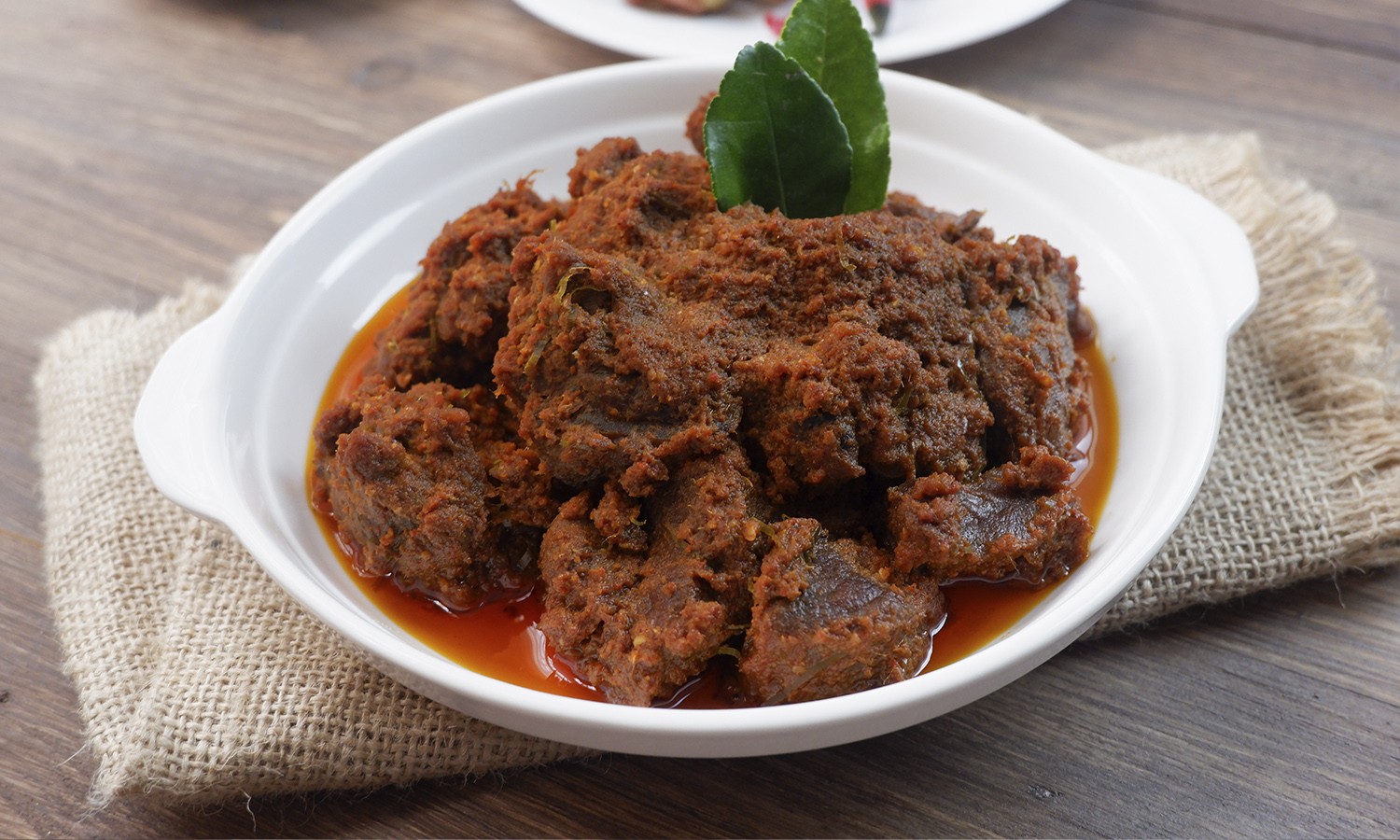
Rendang is a rich, dry-style curry made by slow-cooking beef in coconut milk, lemongrass, galangal, turmeric, and chili until tender and deeply caramelized. Originating from Minangkabau culture,
it’s widely embraced in Malaysia, especially during festive occasions. The cooking process intensifies its complex flavors and preserves the dish. Rendang is often paired with lemang or ketupat. Its bold, aromatic profile
and ceremonial significance have earned it global acclaim as one of the world’s most delicious traditional dishes.